



The Allure of Risk and Reward
The psychology of casino gambling is deeply rooted in the allure of risk and reward. Gamblers are often drawn to the thrill of the unknown, where every spin of a slot machine or roll of the dice can result in exhilarating highs or devastating lows. This unpredictable nature creates a sense of excitement that can be addictive. The possibility of winning significant amounts of money in a short period can lead to a rush of adrenaline, further enhancing the gambling experience. In this rapidly changing environment, many players often turn to resources like itworldcanada.com to ensure they stay informed about online security best practices.

Moreover, the concept of variable rewards plays a crucial role in perpetuating this cycle. Unlike other activities that reward consistency, casino games often provide sporadic wins, making players more eager to continue playing in hopes of hitting the jackpot. This phenomenon is akin to the psychology behind operant conditioning, where behaviors are reinforced by random rewards, thereby encouraging repeated engagement.
The Role of Social Interaction
Casino gambling is not just an individual pursuit; it is also a social activity that fosters interaction among players. Many individuals enjoy the communal atmosphere of casinos, where they can share experiences, celebrate wins, and commiserate losses with others. The social aspect of gambling can enhance the enjoyment of the game and can even influence a player’s decision-making process. Understanding these dynamics is essential, as they contribute significantly to the overall experience.
Additionally, the presence of other players can create a sense of camaraderie, further motivating individuals to participate. This interaction often leads to discussions about strategies, tips, and personal experiences, enriching the overall gambling experience and creating a sense of belonging within the gambling community.
The Illusion of Control
Many gamblers fall prey to the illusion of control, believing they can influence the outcome of games based on their skills or strategies. This false sense of control can encourage continued gambling, as players feel empowered by their ability to impact results, even in games of chance. This psychological phenomenon leads to a more immersive experience and can keep players engaged longer than intended.
The illusion of control is often reinforced by cognitive biases, where players may remember their wins more vividly than their losses. This selective memory can foster a belief that they are “due” for a win, further perpetuating the gambling cycle. Understanding this psychological aspect is crucial for recognizing how easily individuals can become entrenched in gambling behavior.
The Emotional Rollercoaster of Gambling
The emotional highs and lows experienced during gambling can be profound. The thrill of winning contrasts sharply with the feelings of disappointment that accompany losses. These emotional fluctuations can create a compelling narrative that keeps players returning for more. The chase for that euphoric high becomes a driving force behind the gambling experience.
As players continue to engage with these emotions, they may start to gamble not just for the sake of winning money but to escape from daily stresses or to experience a sense of excitement that might be lacking in their lives. This emotional component is a critical aspect of understanding why many individuals find themselves drawn to casinos time and again, often despite the risks involved.
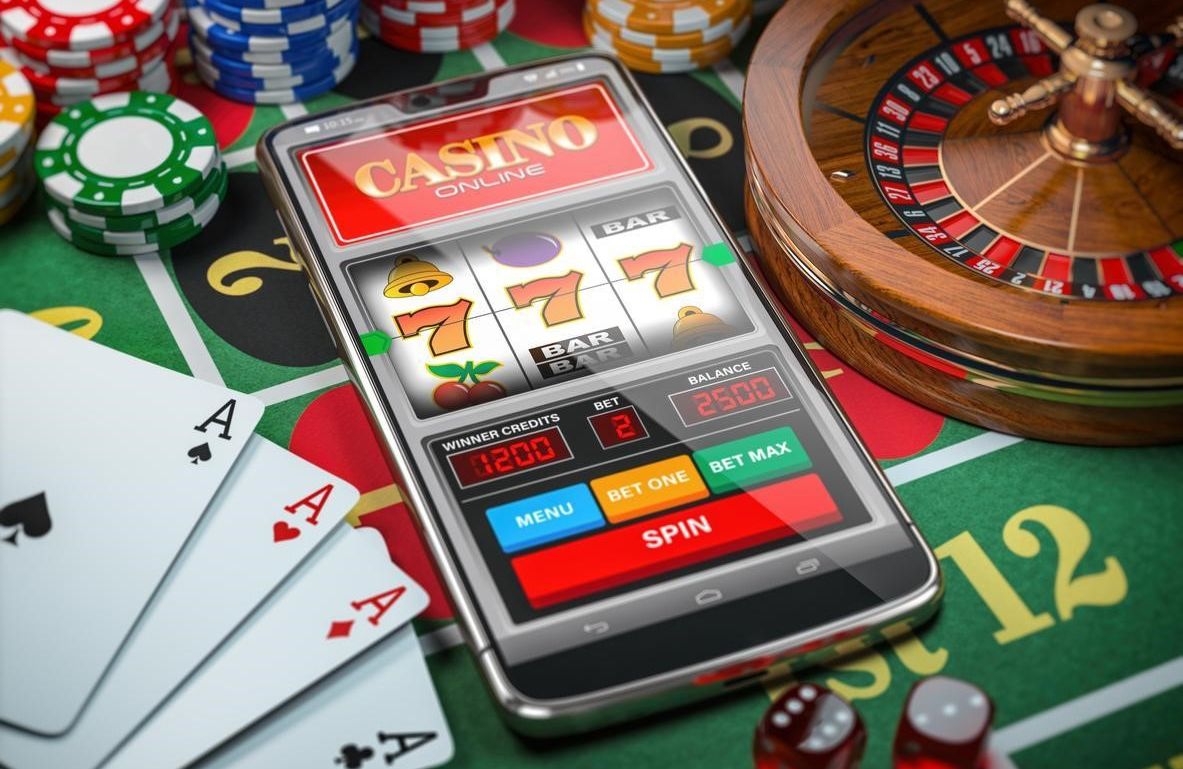
Prioritizing Safety in Online Gambling
In the digital age, the rise of online casinos has brought new dimensions to gambling behavior. While the excitement remains, players must also navigate the complex landscape of online security. Ensuring a safe and secure gambling experience has become paramount for individuals seeking entertainment in virtual environments. It is crucial to remember that unknown threats in online spaces can undermine the fun and engagement players seek.
Websites dedicated to providing gambling services must prioritize security measures to protect users from potential threats. Just as players are motivated by the thrill of the game, they are equally concerned about their safety online. Understanding the balance between psychological engagement and the necessity for security is essential for creating a responsible gambling atmosphere, ensuring that players can enjoy their experiences while remaining protected from harm.
